

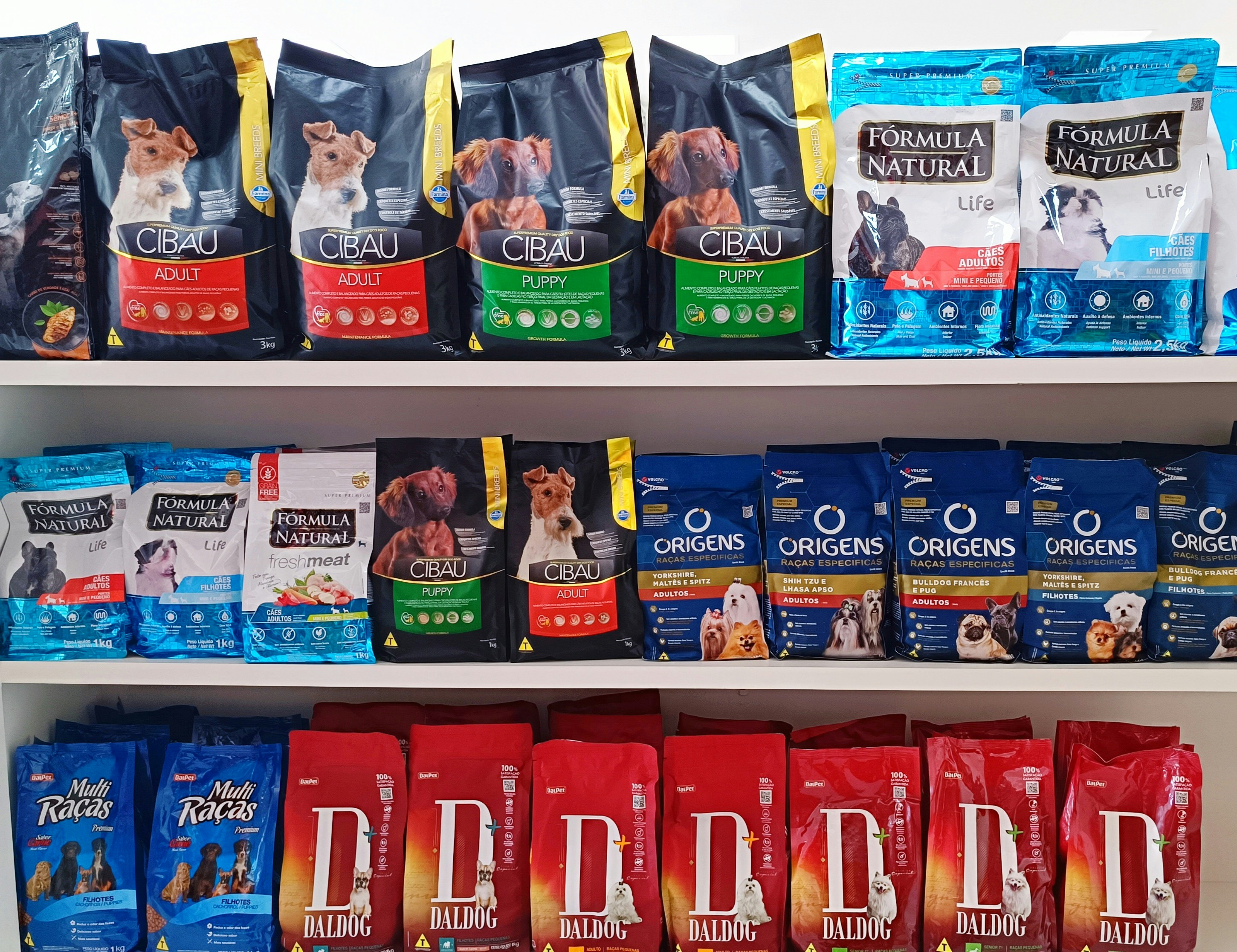
Introduction to Dog Nutrition
Proper dog nutrition is a fundamental aspect of a dog’s health and wellbeing. Just like humans, dogs require a balanced diet to thrive. The food they consume directly impacts their energy levels, growth, coat health, and overall longevity. Essential nutrients that dogs need include proteins, fats, carbohydrates, vitamins, and minerals. Each of these components plays a crucial role in maintaining a healthy metabolic process, supporting immune function, and promoting optimal physical condition.
Dietary requirements in dogs can significantly vary based on several factors, including breed, age, and specific health conditions. For instance, puppies have higher protein and fat requirements compared to adult dogs, fueling their rapid growth and development. Similarly, senior dogs may require a diet that is lower in calories but higher in fiber to maintain digestive health and prevent obesity. Additionally, certain breeds are predisposed to specific health issues, such as joint problems or allergies, necessitating tailored nutrition plans to mitigate these risks.
The role of dog food extends beyond mere sustenance; it is instrumental in preventing common health issues such as obesity, diabetes, and dental problems. Commercial dog foods are formulated to provide balanced nutrition, but pet owners must choose products thoughtfully. It is important to select high-quality brands that use wholesome ingredients, ensuring that dogs receive what they need without harmful additives. Regular consultations with veterinarians can also aid owners in choosing diets that meet the unique needs of their pets. Thus, understanding the complexities of dog nutrition can significantly enhance the quality and longevity of a canine companion’s life.
Factors to Consider When Choosing Dog Food
Choosing the right dog food is a critical decision for pet owners, heavily influenced by several key factors. One of the primary considerations is the quality of ingredients. High-quality dog food typically consists of whole meat sources, vegetables, and grains, without excessive fillers or artificial additives. Pet owners should prioritize brands that offer transparency regarding their ingredient sourcing and formulations.
Nutritional balance is another crucial aspect. A well-rounded dog food must provide essential nutrients, including proteins, carbohydrates, fats, vitamins, and minerals, to meet a dog’s needs throughout its life stages. Puppies, adult dogs, and seniors have differing nutritional requirements; thus, selecting food tailored to a dog’s specific age and breed, which has been formulated with these factors in mind, is vital for their overall health.
In addition to ingredient quality and nutritional considerations, the reputation of the dog food brand plays a significant role in the decision-making process. Researching a brand’s history, customer reviews, and any recalls or controversies can aid in establishing trust. Furthermore, certifications and quality assurances, whether from regulatory bodies or independent organizations, can serve as indicators of safety and efficacy. Brands that invest in rigorous testing and adhere to high manufacturing standards tend to foster greater confidence among pet owners.
Finally, it is essential to consider any specific dietary needs of a dog. Factors such as allergies, weight management, or sensitivity to certain ingredients should not go overlooked. Many reputable brands offer specialized formulas catering to these specific dietary requirements. By taking into account these various factors, pet owners can make informed choices, ensuring their dog receives the highest quality nourishment suitable for its individual needs.
The Rise of Premium and Specialty Dog Foods
In recent years, the pet food market in the UK has witnessed a significant shift towards premium and specialty dog foods. This rise can be attributed to a growing awareness among pet owners regarding the importance of quality nutrition in their dogs’ overall health and wellbeing. Unlike standard dog foods, which often prioritize quantity over quality, premium offerings are formulated using higher-grade ingredients, often tailored to meet specific dietary needs or preferences.
One of the key differentiators of these premium products is their ingredient transparency. Many brands emphasize the use of natural, whole-food ingredients, avoiding artificial additives, fillers, and by-products commonly found in conventional pet foods. This focus on quality is not just a marketing trend; it reflects the changing attitudes of consumers who are increasingly opting for products that align with their values of health and sustainability. For instance, grain-free and hypoallergenic options have surged in popularity, catering to dogs with food sensitivities or specific health requirements.
Investing in premium dog food can provide numerous benefits, including improved digestion, healthier skin and coat, and increased energy levels. Pet owners have reported noticeable improvements in their dogs’ overall health, which can be attributed to the higher nutrient density present in these specialized foods. Additionally, premium brands often offer formulations designed for different life stages, sizes, and breed-specific needs, allowing owners to select products that are best suited for their canine companions.
Brands in this segment not only advertise superior nutritional profiles but also leverage their unique selling points, such as environmentally friendly packaging, ethically sourced materials, and advanced research into canine nutrition. As pet owners continue to prioritize their dogs’ health, the demand for premium and specialty dog foods is expected to grow, reflecting a broader trend of increased human-animal bonding and responsible pet ownership within the UK market.
Top 10 Dog Food Brands in the UK for 2025
The pet food industry in the UK has evolved significantly over the years, with numerous brands emerging, each promising to deliver the best nutrition for our canine companions. In 2025, we have identified ten outstanding dog food brands that stand out due to their commitment to quality, innovation, and overall pet health.
First on our list is **Royal Canin**, a brand known for its science-driven approach to pet nutrition. Established over fifty years ago, Royal Canin formulates specific diets based on the individual needs of dogs, considering breed, age, and health issues. Their dedication to research ensures they remain at the forefront of premium dog food production.
Next, we have **Hill’s Science Diet**, which prioritizes veterinary-backed formulations. This brand is renowned for its clinical nutrition and has been serving pet owners since 1939. Their unique selling point lies in the use of high-quality ingredients that promote health benefits tailored to a dog’s life stage and specific health concerns.
**Orijen** is another top contender that has gained immense popularity among dog owners for its biologically appropriate diets. Founded in 1985, the brand focuses on using fresh, regionally sourced ingredients. Their commitment to high protein content and low carbohydrate levels makes them a top choice for health-conscious dog owners.
**Acana** is also noteworthy, specializing in premium dog foods that are grain-free and made with fresh ingredients. Their recipes typically contain various meats and fish, aligning with a dog’s natural dietary requirements. The brand emphasizes sustainability in sourcing its ingredients, making it a favorite for environmentally conscious consumers.
**Taste of the Wild** focuses on high-quality, protein-rich recipes inspired by a dog’s ancestral diet. Their grain-free options and use of roasted meats make this brand appealing to those seeking high-performance nutrition for active dogs.
Further, **James Wellbeloved** stands out for its hypoallergenic products, catering to dogs with food sensitivities. With a long-standing history in the UK pet food market, James Wellbeloved utilizes natural ingredients and sustainable sourcing, ensuring a balanced diet for dogs with specific dietary needs.
**Canagan** is another brand that focuses on grain-free options, featuring high meat content combined with wholesome fruits and vegetables. This brand aligns with a pet owner’s desire to provide a diet closer to a dog’s natural instincts.
Next is **Barking Heads**, a brand that emphasizes quality ingredients and environmentally friendly practices. Their range of dry and wet foods includes delicious recipes that appeal to both dogs and their owners, ensuring meal times are something to look forward to.
**Pooch & Mutt** represents an innovative approach to dog food, with an emphasis on health benefits that aid dogs’ physical and mental well-being. This brand combines nutrition and functionality, creating products that support overall canine health.
Lastly, **Nutriment** highlights a raw feeding approach, providing natural and unprocessed food options. Their commitment to using ethically sourced meats and fresh ingredients caters to those who prefer a more natural dietary regimen for their pets.
These ten brands represent the best dog food options in the UK for 2025, each offering unique attributes that cater to the diverse needs of dogs and their owners. Whether prioritizing health, taste, or ingredient sourcing, there is a suitable choice for every canine companion.
In-Depth Reviews of Each Brand
When selecting the best dog food in the UK, it is crucial to examine the top brands thoroughly. The following review highlights the strengths of each brand, focusing on their product lines, specific formulations, customer feedback, and any notable achievements or certifications that enhance their credibility.
First, we have Brand A, renowned for its holistic approach to pet nutrition. Their range includes grain-free and high-protein options tailored for dogs with specific dietary needs. Customers often praise Brand A for its transparent ingredient sourcing and the noticeable health improvements in their pets. Furthermore, the brand holds multiple industry certifications, affirming its commitment to quality.
Next is Brand B, which specializes in veterinary-approved diets. This brand emphasizes specialized recipes for dogs with health issues such as allergies or obesity. Reviews frequently highlight the positive impact of Brand B’s food on dogs’ health metrics, with many customers reporting significant weight loss or allergy symptom relief. Their partnership with veterinarians enhances the credibility and reliability of their formulations.
Brand C stands out in the premium segment, offering gourmet recipes that appeal to discerning pet owners. The focus is on organic ingredients paired with innovative flavors that dogs seem to adore. Customer feedback indicates a high satisfaction rate, with many pet owners noting the freshness and quality of the product. Brand C also boasts several awards for its recipe formulations, underpinning its position in the pet food market.
Brand D’s line is characterized by sustainable practices, offering eco-friendly packaging alongside its nutritious formulations. The brand is praised for its commitment to environmental responsibility, which resonates with eco-conscious consumers. Its recipes cater to various dietary preferences, including vegetarian options, making it a versatile choice among dog owners.
In examining these brands and their unique offerings, potential dog owners can make informed decisions that best suit their pets’ nutritional needs, contributing to overall health and well-being.
Comparison Chart of Dog Food Brands
To aid dog owners in selecting the most suitable food for their canine companions, we have designed a comprehensive comparison chart that encapsulates vital information regarding the top ten dog food brands available in the UK for 2025. This chart is structured to provide an at-a-glance understanding of essential features, making it easier for pet owners to make informed choices based on their dogs’ needs.
The chart includes distinct sections such as price points, which reflect the cost variations among the brands, thus catering to different budget considerations. Main ingredients are also highlighted, offering insights into the core elements of each brand’s formulation, crucial for those aware of dietary restrictions or allergies. Furthermore, the target dog types are identified, ensuring that pet owners can quickly ascertain if a specific brand is suitable for their dog’s age, size, and dietary requirements.
Nutritional content is a key feature presented in the comparison chart. This encompasses the amounts of proteins, fats, and carbohydrates per serving, aiding in evaluating the health benefits and overall value of each brand. Additionally, to assist readers in understanding each brand’s strengths and weaknesses, a dedicated section for pros and cons is included, detailing what each dog food brand excels at and where they might fall short.
The comparison chart serves as a valuable resource, equipping dog owners with critical information to streamline the decision-making process. By allowing for straightforward comparisons among price, ingredients, target demographics, and nutritional profiles, this chart ensures that readers can select the best dog food brand tailored to their pet’s specific needs.
Common Misconceptions About Dog Food
The world of dog food is often clouded by misconceptions that can lead pet owners astray when selecting the right nutrition for their canine companions. One prevalent myth is that all grain-free foods are inherently superior to those containing grains. While grain-free diets have gained popularity, they are not universally beneficial for all dogs. In fact, certain grains, such as brown rice and oats, can provide essential nutrients and fiber, forming part of a balanced diet. The key is to consider individual health needs rather than adhering to a blanket statement regarding grain content.
Another common misconception is that cheaper dog food brands lack quality and nutrition. While it is true that some budget options might use lower-grade ingredients, many affordable brands are committed to quality assurance and cater to the nutritional requirements of dogs at a reasonable price. It is crucial for pet owners to research the ingredients and feeding analyses on labels to discern whether a budget-friendly option meets their pet’s specific dietary needs.
Furthermore, there is a belief that a dog’s food must adhere strictly to the latest trends and marketing buzzwords, such as ‘superfood’ or ‘holistic.’ These terms often lack regulatory definitions, making it essential for dog owners to focus on nutritional content rather than fads. The best dog food is one that meets the AAFCO (Association of American Feed Control Officials) standards for dog nutrition, regardless of whether it bears catchy marketing phrases.
Lastly, some pet owners assume that dogs thrive on a vegetarian or vegan diet. While many dogs can adapt to these diets, pet owners must ensure that they are meeting their dogs’ protein, vitamin, and mineral needs through careful formulation. As with any dietary choice, it is advisable to consult with a veterinarian to see if a plant-based option would be suitable for a specific dog.
Expert Recommendations and Vet Insights
When selecting the best dog food for your pet, consulting with certified veterinarians and canine nutritionists is paramount. These professionals possess a deep understanding of canine dietary needs and the nutritional elements pivotal for optimal health. They emphasize that a balanced diet should include proteins, fats, carbohydrates, vitamins, and minerals, tailored to the specific breed, age, and activity level of the dog.
Veterinarians often recommend opting for high-quality dog food that lists meat as the primary ingredient. This is crucial for providing the essential amino acids required for your dog’s growth and energy. Additionally, they highlight the importance of avoiding fillers and artificial additives, which can offer little nutritional value. Brands with transparent labeling and accessible ingredient sourcing tend to receive higher endorsements from these professionals.
Another key insight from veterinary experts is the significance of age-appropriate formulations. Puppies, for instance, require a higher concentration of calories and nutrients to support their rapid growth and development. Conversely, senior dogs may benefit from diets rich in fiber to assist digestion and lower calorie counts to prevent obesity. Experts stress that understanding your pet’s life stage will help ensure you select a dog food that meets their specific nutritional needs.
Moreover, hydration is often overlooked in dietary discussions. Canine nutritionists underscore the necessity of ensuring dogs have constant access to fresh water, as this aids digestion and overall health. Some recommend incorporating wet dog food to increase moisture intake, particularly for dogs that might not drink sufficient water. The importance of consulting with a veterinarian cannot be overstated in this regard, ensuring that your canine companion receives a diet that optimally supports their health and wellbeing throughout their life stages.
Conclusion and Final Thoughts
As we have explored throughout this blog post, choosing the best dog food in the UK in 2025 requires careful consideration of various factors, including nutritional content, ingredient transparency, and the specific dietary needs of your dog. The top ten brands reviewed highlight a wide range of options that cater to different preferences and requirements, ensuring that dog owners can find suitable food for their pets.
Among the brands discussed, each presents unique formulations aimed at promoting health and well-being. From grain-free options to specialized diets for sensitive stomachs, it is essential for pet owners to evaluate the unique characteristics of their dogs, such as age, size, activity level, and any existing health issues. Ultimately, the best dog food should provide balanced nutrition that aligns with the individual dog’s lifestyle.
Furthermore, consulting with a veterinarian can provide invaluable insight into the most appropriate dietary choices for specific needs. Veterinarians can recommend tailored nutrition plans that ensure optimal health outcomes for your pet, based on their scientific understanding of dog nutrition and health.
In conclusion, selecting the best dog food involves more than just picking a popular brand; it is about understanding your dog’s specific dietary needs and making informed choices. By focusing on quality ingredients, assessing the nutritional value of each product, and seeking professional advice, dog owners can confidently choose a food that supports their furry friend’s overall health and longevity. Remember, the right dog food contributes significantly to a happy, healthy life for your beloved companion.